Understanding the Soda Drink Landscape
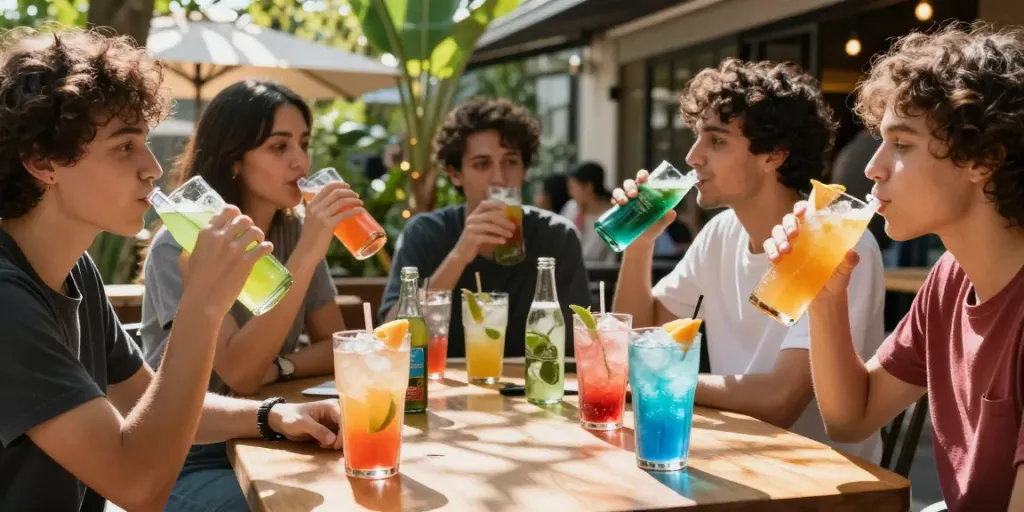
The world of soda drinks is diverse and ever-evolving, with new flavors, brands, and innovations constantly entering the market. As non-alcoholic beverages, soda drinks appeal to a wide range of consumers who enjoy the effervescent experience and unique tastes they offer. Whether you are a nostalgic fan of classic colas or an adventurous consumer seeking out artisanal creations, there's no shortage of options when it comes to soda. When exploring options, Soda drink enthusiasts will find that the landscape is as dynamic as the bubbles in their favorite beverage.
What Constitutes a Soda Drink?
Soda drinks, commonly known as soft drinks, are beverages typically made from carbonated water, sweeteners, and flavoring agents. They can include a range of ingredients such as natural flavors, artificial colors, and preservatives. Soda drinks can be categorized primarily into two types: those that contain sugar and those that use artificial sweeteners. While traditional sodas contain high fructose corn syrup or cane sugar, the rise of health consciousness has led to an increase in options utilizing stevia, aspartame, and other low-calorie alternatives.
The Evolution of Soda Drinks Over Time
Initially popularized in the late 19th century, soda drinks have undergone significant transformations. The invention of carbonated water by Joseph Priestley in 1767 set the stage for the development of flavored sodas. By the early 1900s, brands like Coca-Cola and Pepsi had established themselves, leading to a boom in soda consumption throughout the 20th century. Over the decades, soda drinks have continued to evolve, adapting to changing consumer preferences, trends, and health considerations. Today, we see a resurgence of interest in craft sodas, which emphasize quality ingredients and unique flavors, often produced by small, independent companies.
Market Trends in Soda Beverage Consumption
As we look to 2026, several trends are shaping the soda drink market. One notable trend is the growing demand for healthier alternatives. Consumers are increasingly scrutinizing labels and opting for beverages with lower sugar content, natural ingredients, and fewer additives. Additionally, sustainability has become a crucial factor in consumer choices, leading brands to adopt eco-friendly packaging and production methods. The rise of e-commerce has also transformed how people purchase soda, with online platforms offering a vast selection of beverages ranging from mainstream brands to niche artisanal options.
Health Considerations of Soda Drinks
Health concerns regarding soda drinks primarily revolve around sugar consumption, calorie content, and artificial ingredients. As more individuals adopt health-focused lifestyles, understanding these implications is essential.
Are All Soda Drinks Created Equal?
No, not all soda drinks are created equal. The nutritional content can vary dramatically between brands and types. Traditional soda drinks high in sugar can contribute to health issues such as obesity and diabetes, while diet sodas, although low in calories, often contain artificial sweeteners that some consumers prefer to avoid. Comparatively, craft sodas may utilize real fruit juices or natural sweeteners, providing a more wholesome option for health-conscious consumers.
Impacts of Sugar and Artificial Sweeteners
The debate surrounding sugar versus artificial sweeteners is ongoing. High sugar intake has been linked to various health problems including metabolic syndrome and dental cavities. On the other hand, while artificial sweeteners offer a low-calorie alternative, their long-term effects remain under scrutiny. Studies suggest that they may affect appetite regulation and gut microbiota, leading to questions about their suitability as a safe substitute. As consumers become more educated, they are more inclined to seek natural sweeteners and beverages that align with their health goals.
Alternatives to Traditional Soda Drinks
For those looking to reduce their soda consumption or explore healthier options, there are several alternatives available. Sparkling water infused with natural flavors or herbal teas provide refreshing choices without added sugars or calories. Additionally, kombucha, a fermented tea beverage, offers a unique flavor profile along with potential probiotic benefits. Consumers can also experiment with homemade sodas by mixing carbonated water with fruit juices or herbal syrups, allowing for personalized concoctions tailored to their taste preferences.
Exploring Soda Drink Varieties
The variety of soda drinks available today is astounding, ranging from well-known brands to niche market innovations that cater to unique consumer tastes.
Top Popular Soda Drink Brands in 2026
Among the top soda brands in 2026, legacy names such as Coca-Cola and Pepsi remain market leaders, but they face stiff competition from up-and-coming brands that emphasize health and sustainability. Brands like LaCroix and Spindrift are gaining traction, appealing to consumers seeking sparkling water alternatives. Regional brands also find success by crafting flavors that resonate with local tastes, such as root beers and cream sodas.
Craft and Artisanal Soda Innovations
The craft soda movement continues to flourish, characterized by small-batch production and unique flavor combinations. These artisanal sodas often feature locally sourced ingredients and innovative flavors ranging from lavender to jalapeño. This trend not only supports local economies but also provides consumers with an exceptional tasting experience that contrasts sharply with mass-produced sodas.
Seasonal and Limited-Edition Soda Drinks
Many brands have begun to capitalize on seasonal flavors, creating limited-edition sodas to entice customers. Pumpkin spice sodas during autumn, peppermint sodas during the winter holidays, and berry-flavored options in summer cater to the festive spirit. These limited releases not only enhance the excitement around soda consumption but also create a sense of urgency for consumers eager to try new flavors.
DIY Soda Drinks: A Trend to Consider
As consumers search for healthier alternatives, the DIY soda trend has gained popularity. Making soda at home allows for control over ingredients, sweetness levels, and flavor combinations.
How to Make Your Own Soda Drinks at Home
Creating homemade soda is simple and rewarding. Start with carbonated water as a base, then add your choice of flavored syrups, which can be made from fruits, herbs, or spices. For instance, mixing fresh lime juice with carbonated water produces a refreshing lime soda. Additionally, blending ripe berries with a sweetener can create a vibrant berry soda that is both delicious and nutritious.
Choosing Ingredients for Healthier Soda Options
When preparing DIY sodas, opt for natural sweeteners like honey, maple syrup, or agave nectar. Incorporating fresh fruit or herbal infusions can add flavor without excessive sugar. For example, a mint-infused soda can be made by muddling fresh mint leaves in water before carbonating. This approach not only enhances flavor but also ensures that your drink remains largely free from artificial additives.
DIY Soda Drink Recipes to Try in 2026
- Ginger Lime Soda: Mix fresh ginger juice, lime juice, and a touch of honey with sparkling water.
- Berry Basil Fizz: Blend mixed berries with fresh basil leaves and a splash of club soda.
- Coconut Cream Soda: Combine coconut milk with sparkling water, topped with a hint of vanilla extract.
The Future of Soda Drinks in a Health-Conscious World
The soda drink industry is at a pivotal point, characterized by shifting consumer preferences that prioritize health and sustainability.
Predictions for Soda Drink Innovations
As we look ahead, innovations surrounding soda drinks will likely focus on health-oriented formulations. Expect to see an increase in functional beverages that claim health benefits, such as immune-boosting ingredients or adaptogens. Additionally, the use of innovative sweeteners, such as monk fruit or allulose, may become more prevalent, appealing to consumers who desire low-calorie options without sacrificing taste.
Consumer Preferences Shaping the Soda Market
Consumer preferences are shifting towards transparency and authenticity, prompting brands to highlight ingredient sourcing and production practices. Brands that engage with their customers by sharing their stories and values can foster loyalty in an increasingly competitive landscape. Furthermore, diversity in flavor offerings will become crucial as consumers seek unique and exciting taste experiences that go beyond traditional sodas.
Environmental Considerations in Soda Production
The sustainability movement is impacting the soda industry, with brands now focusing on reducing their carbon footprint through eco-friendly production practices and packaging. Many companies are transitioning to recyclable materials for their bottles and cans, adopting renewable energy sources, and reducing water usage in their manufacturing processes. As environmental awareness continues to grow, brands that prioritize sustainability will likely gain a competitive edge in the marketplace.
What is the Best Soda Drink for You?
Determining the best soda drink ultimately depends on personal preferences and individual health goals. For someone looking to indulge occasionally, a classic soda may suffice, but for those focused on health, opting for options with less sugar or natural ingredients can help achieve their wellness objectives. Exploring a range of flavors and ingredients can lead to discoveries of new favorites that align with personal taste and health aspirations.
Why is Soda Called Soft Drink?
The term "soft drink" originated to distinguish non-alcoholic beverages from "hard drinks," which refer to alcoholic beverages. While the term encompasses a broad range of beverages, it typically refers to carbonated, sweetened drinks. The softness indicated in the name reflects the absence of alcohol, making them accessible to people of all ages.
What Are the Top Soda Drink Brands?
As of 2026, the top soda drink brands continue to include major players like Coca-Cola, Pepsi, and Dr Pepper, alongside innovative craft brands such as Fanta and LaCroix. As the market diversifies, more regional brands are emerging, providing local flavors and unique beverages that resonate with communities.
Is Soda a Healthy Drink?
The healthiness of soda drinks largely depends on the specific product and its ingredients. While traditional sodas are often high in sugar and calories, alternatives like sparkling waters or low-calorie sodas may fit better within a balanced diet. Consumers are encouraged to read labels and make informed choices based on their health objectives.
How to Make Soda Drinks Healthier?
Making soda drinks healthier can be achieved by reducing sugar content, opting for natural sweeteners, and incorporating real fruit juices. Additionally, homemade sodas offer control over ingredients, allowing consumers to create beverages that align with their dietary preferences while still delivering on taste.
What Ingredients are in Popular Soda Drinks?
Common ingredients found in popular soda drinks include carbonated water, sweeteners (sugar or artificial), flavoring agents, and preservatives. Reading the ingredient list is essential to understand what you are consuming and to make healthier choices. As trends shift towards transparency, many brands are beginning to disclose more about their ingredient sourcing and formulations.